What is a Semi-Solid-State Battery?
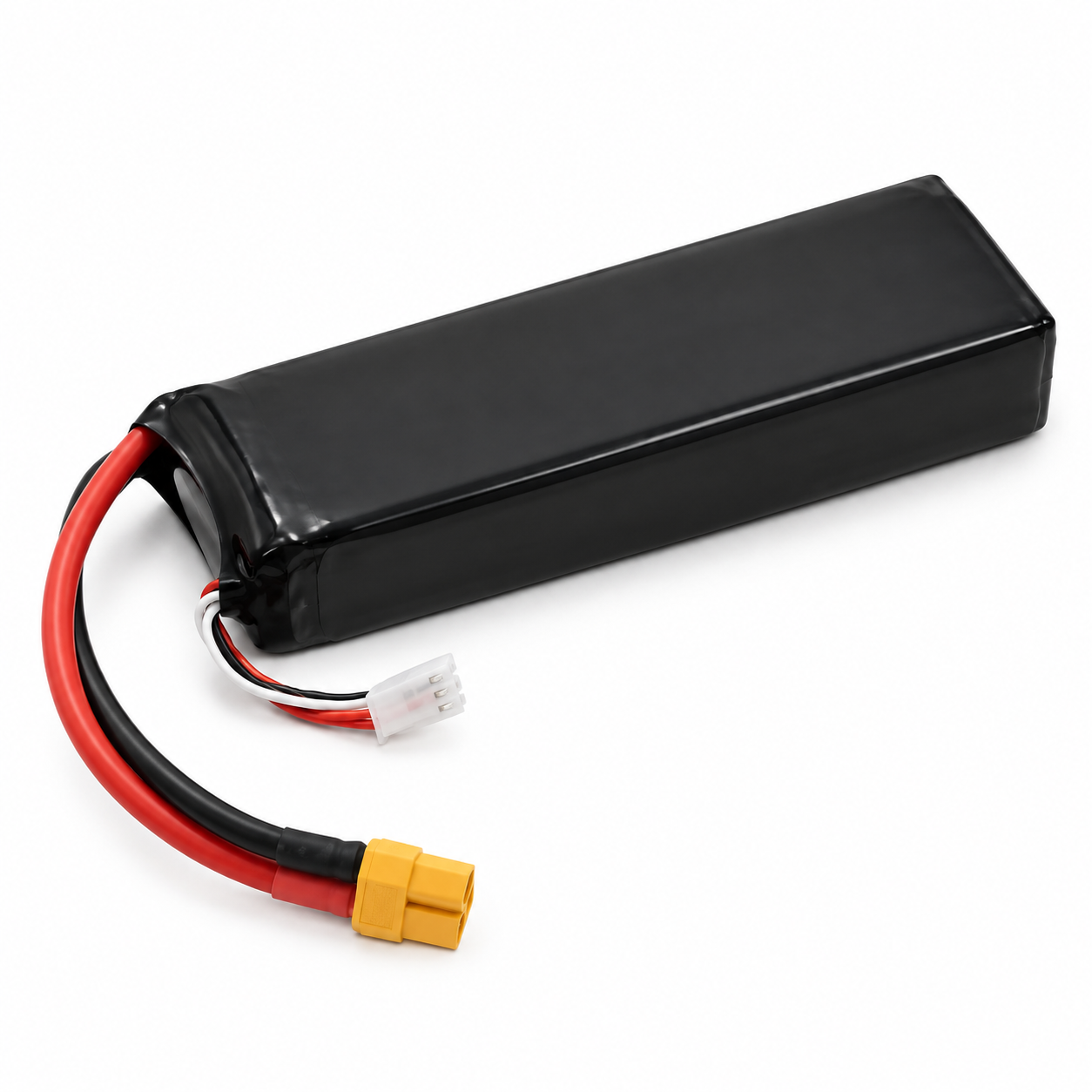
A semi-solid-state battery is a lithium battery technology developed to achieve high energy density. It allows more energy to be stored while keeping weight and volume to a minimum.
This characteristic is particularly valuable when battery weight and operating time have a direct impact on equipment performance.
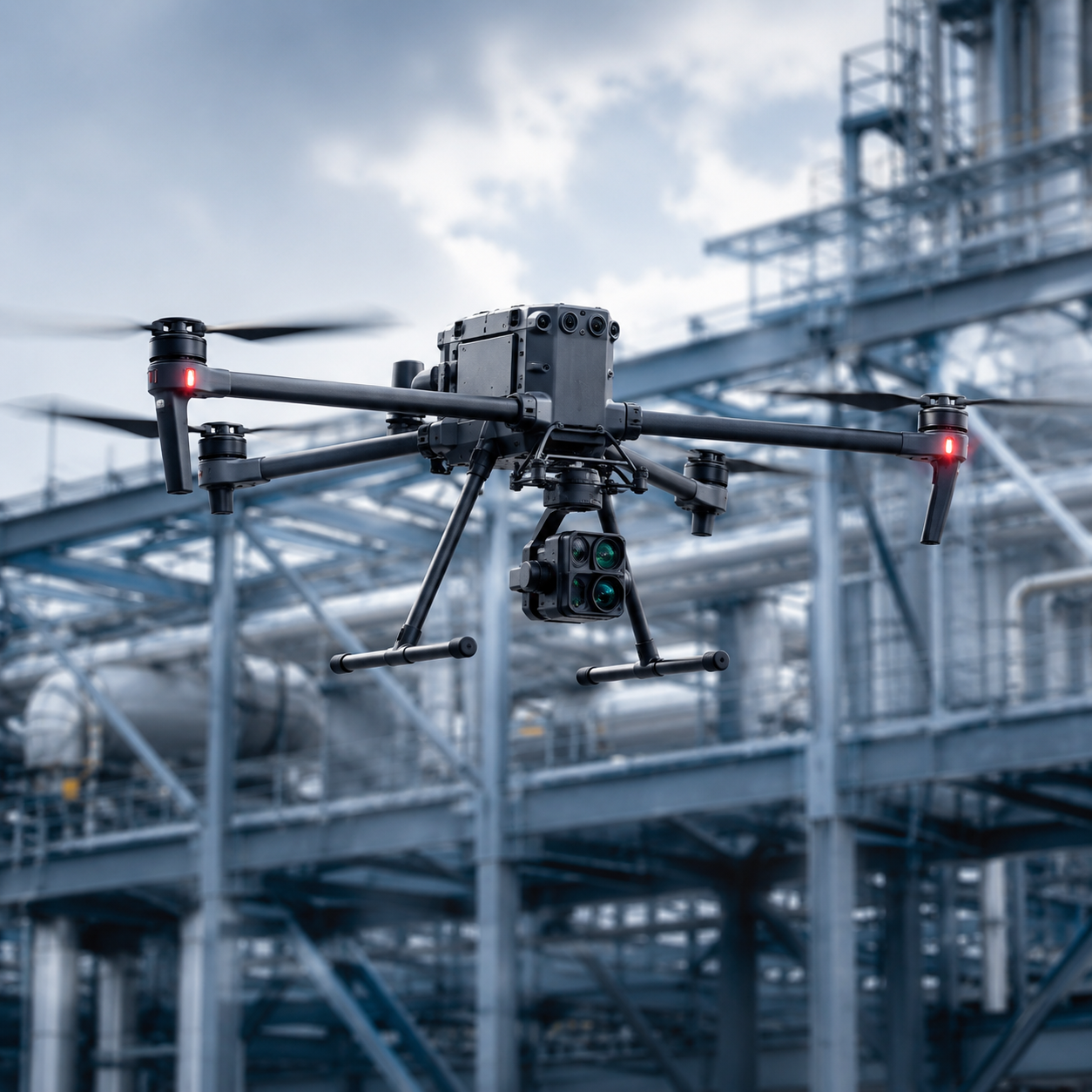
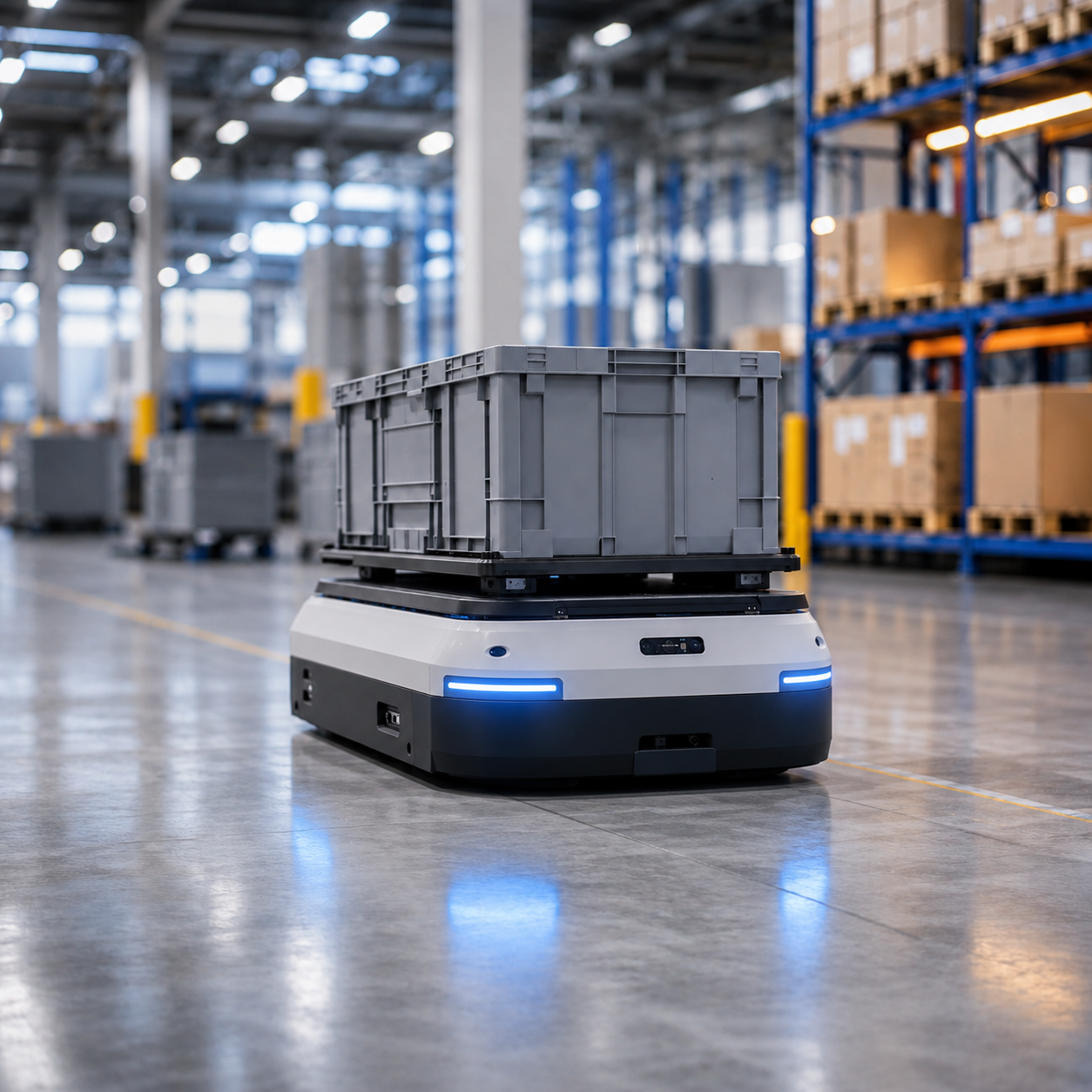
At SOLISE, semi-solid-state technology is primarily being explored for professional drones, lightweight robotics and embedded systems with demanding weight and operating time requirements.
Semi-Solid-State Battery Advantages
Semi-solid-state technology is particularly suitable for applications where operating time, battery weight and onboard energy capacity are critical requirements.
High Energy Density
Certain cells evaluated by SOLISE can achieve energy densities of up to 500 Wh/kg at cell level, allowing more energy to be stored for a given weight.
Extended Operating Time
At a comparable weight, higher energy density can provide more available energy and extend the equipment’s operating time.
Reduced Weight
For a comparable amount of stored energy, this technology can help reduce battery weight, offering a significant advantage for embedded systems.
Optimised Payload Capacity
In drones or mobile equipment, a lighter battery can free up available weight for additional payload or other components.
Demanding Applications
Semi-solid-state technology can be considered when conventional lithium battery solutions can no longer meet the required weight or operating time targets.
Semi-Solid-State Battery Applications
Semi-solid-state technology is particularly well suited to applications where onboard weight and operating time are critical considerations. Its high energy density can enable more energy to be stored or reduce battery weight for a comparable amount of stored energy.
Here are some examples of applications:
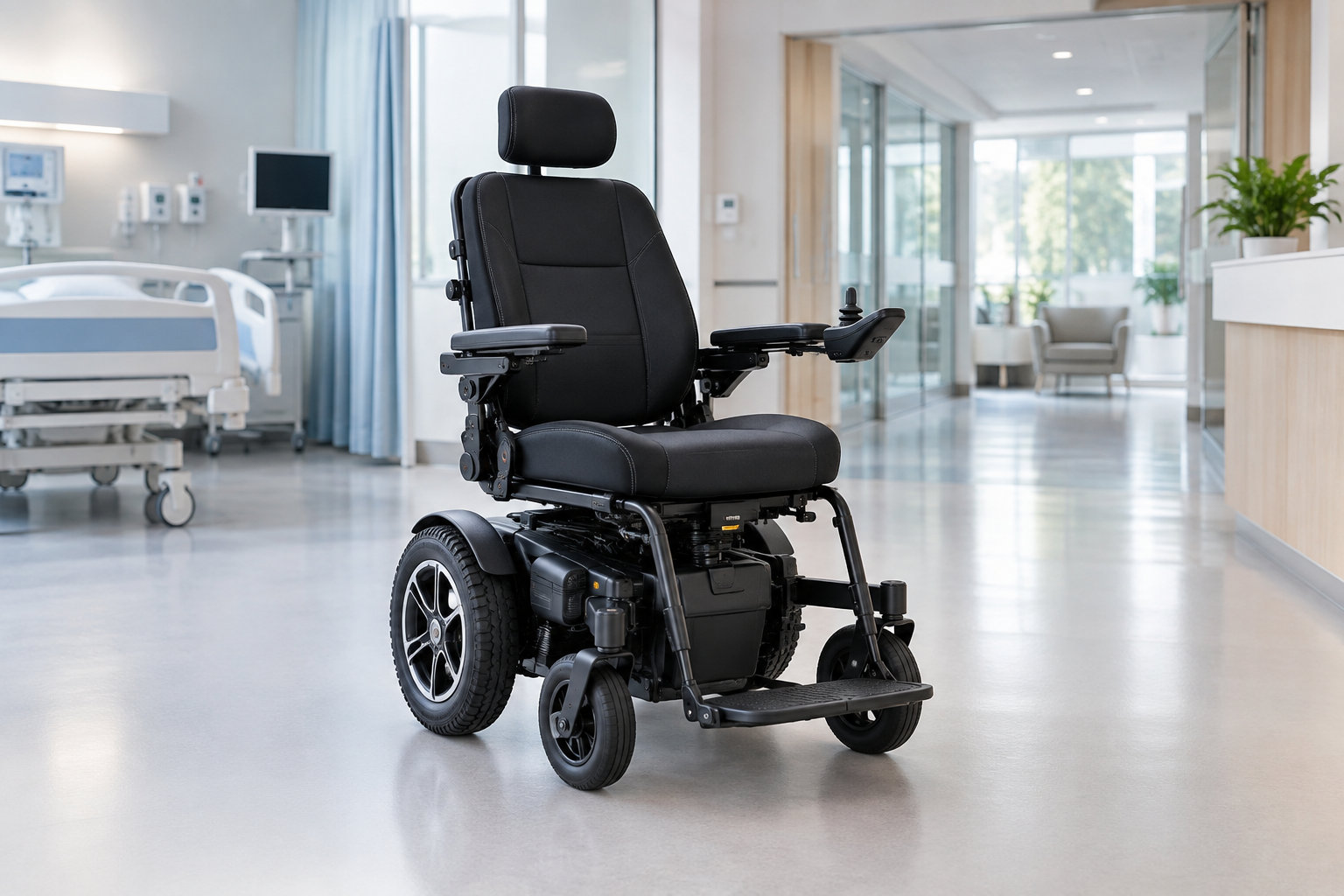
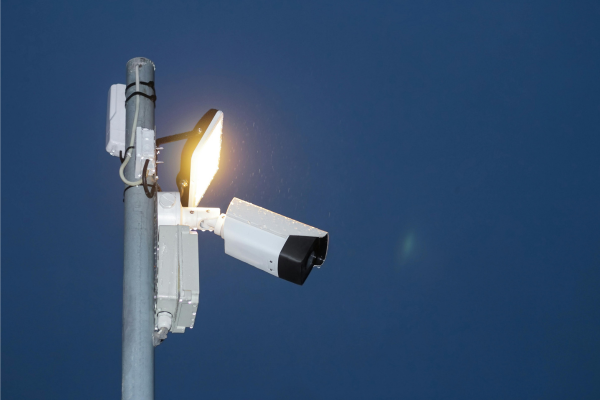
Your Semi-Solid-State Battery Project
Do you have a question about semi-solid-state battery technology or a project requiring extended operating time while keeping weight to a minimum? Our team is available to discuss your requirements regarding energy, power output, weight and integration.
Contact UsSemi-Solid-State Battery FAQ
Find answers to the most common questions about semi-solid-state battery technology, its energy density, performance, applications and the key factors to consider when integrating it into professional equipment.
Understanding Semi-Solid-State Technology
What is a semi-solid-state battery?
A semi-solid-state battery is an evolution of lithium-ion technology that uses a partially solidified electrolyte. It can achieve higher energy density, helping to extend operating time or reduce battery weight.
What energy density can this technology achieve?
Certain semi-solid-state cells evaluated by SOLISE can achieve energy densities of up to 500 Wh/kg at cell level. The energy density of the complete battery pack is lower because connectors, protection systems, wiring and mechanical components must also be integrated.
What is the difference between semi-solid-state and NMC batteries?
NMC is a widely used lithium battery technology offering a good balance between energy capacity, weight, size and cost. Semi-solid-state technology can be considered when energy density and weight reduction become key priorities. You can also visit our page on NMC battery technology.
What is the difference between semi-solid-state and LiPo batteries?
LiPo batteries are often selected for applications requiring high discharge currents and a lightweight design. Semi-solid-state technology is primarily considered when the objective is to maximise onboard energy for a given weight. You can also visit our page on LiPo battery technology.
Choosing Semi-Solid-State Technology for Your Application
Can a semi-solid-state battery extend operating time?
Yes, provided the application can benefit from the additional energy density. At a comparable weight, it may be possible to store more energy and extend operating time or flight duration.
Can battery weight be reduced while maintaining the same operating time?
This is one of the main advantages of the technology. For a comparable amount of stored energy, higher energy density can help reduce battery pack weight. The final weight saving depends on the complete battery integration.
Does 500 Wh/kg refer to the complete battery pack?
No. This value refers to certain individual cells. The final battery pack also includes wiring, connectors, electronic protection systems, the mechanical enclosure and other components required for integration.
What is the lifespan of a semi-solid-state battery?
Battery lifespan depends on the cell type, depth of discharge, operating currents, temperature and charging profile. The solutions currently being evaluated by SOLISE for drone applications have an indicative cycle life of approximately 800 cycles.
Semi-Solid-State Battery Applications
Why use semi-solid-state technology in drones?
In drones, battery weight directly affects flight time and available payload capacity. High energy density technology can help extend flight duration or reduce onboard battery weight.
Which types of drones can benefit from semi-solid-state batteries?
This technology can be particularly beneficial for long-endurance professional drones, inspection drones, surveillance drones and aircraft carrying significant payloads.
Is semi-solid-state technology limited to drone applications?
No. This technology can also be considered for lightweight robotics, certain mobile medical devices, embedded security systems and other applications where weight and operating time are particularly demanding constraints.
Semi-Solid-State Battery Sizing and Integration
How can I determine whether semi-solid-state technology is suitable for my project?
The assessment should compare the required energy capacity, maximum weight, available dimensions, discharge currents, desired operating time and usage profile. This technology is relevant when it provides a measurable benefit to the complete system.
What information is required to assess a battery pack?
The main parameters include the required voltage, energy or capacity, continuous current, peak currents, maximum weight, available dimensions, desired operating time and environmental constraints.
How do you choose between semi-solid-state, NMC, LiPo and LFP batteries?
The choice depends on the project’s technical requirements. Semi-solid-state technology is particularly suitable when energy density and weight reduction are priorities. NMC offers a good balance between stored energy and compact size, LiPo is suitable for lightweight applications requiring high power output, while LFP prioritises long service life and stability.
Use, Maintenance and End-of-Life Management
How should a lithium battery be disposed of at the end of its life?
An end-of-life lithium battery must not be disposed of with general waste. It must be sent to an appropriate battery collection and recycling scheme .