
Lithium Batteries for Professional Drones and UAVs
Our drone lithium batteries must meet the aircraft’s actual operating requirements: flight endurance, onboard weight, available power, safety, payload capacity and mechanical integration.
SOLISE evaluates LiFePO4, LiPo, NMC and semi-solid-state technologies according to the project’s technical specifications. The choice depends on the type of drone, mission profile, current requirements, payload, cycle life and the space available for integrating the battery pack.
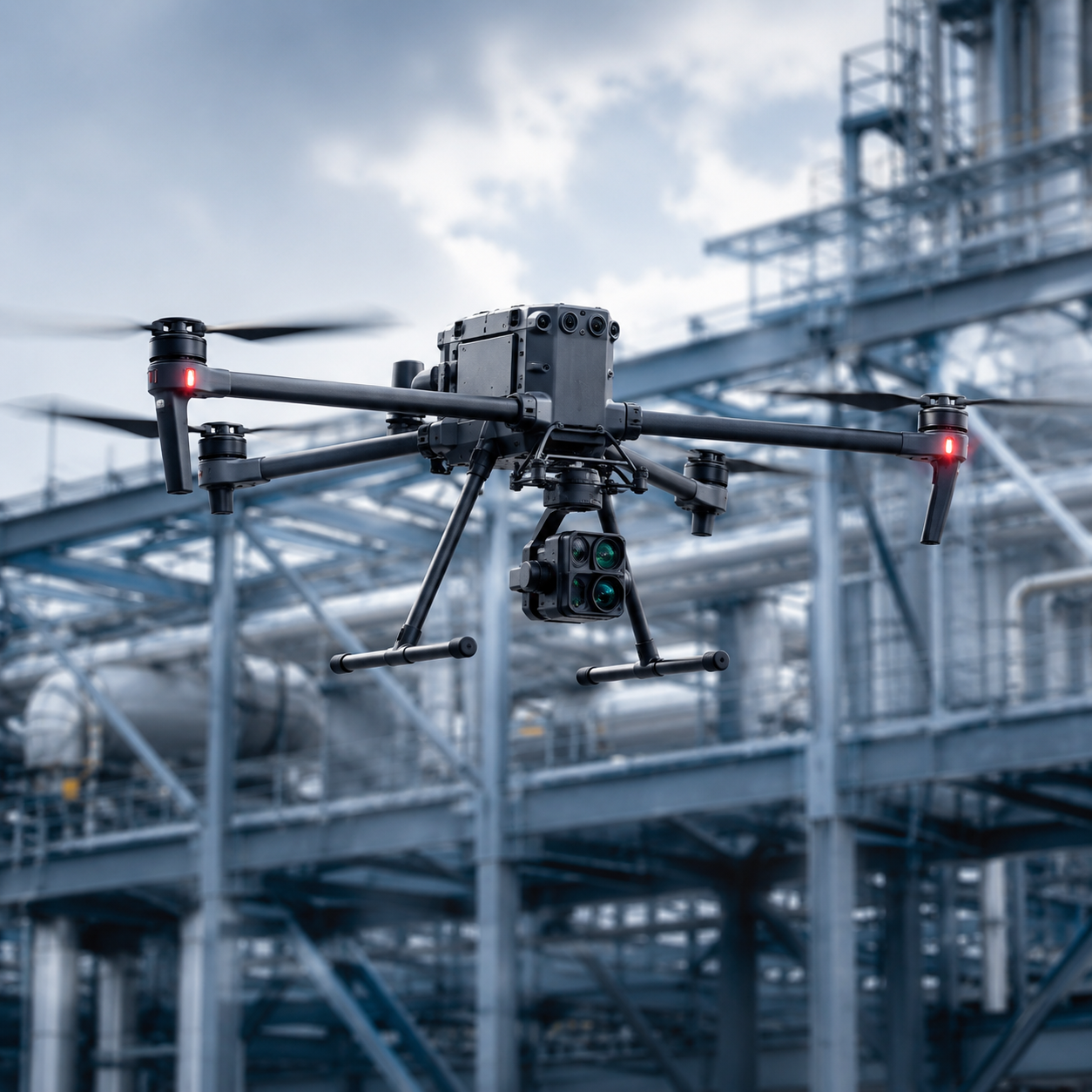
Which Lithium Battery Technology Is Best for Your Drone?
Semi-solid-state, NMC, LiPo or LiFePO4: SOLISE compares battery technologies against your drone’s technical specifications. The choice depends on the required flight endurance, weight, payload capacity, current demand, safety and expected cycle life.
Semi-Solid-State Lithium Technology
A technology considered for drones where every gram matters: long flight endurance, high payload capacity or the need to reduce battery pack weight.
Nickel Manganese Cobalt
NMC can be considered for versatile professional drones, offering a balance between onboard energy, weight, available space and flight endurance.
Lithium Polymer
LiPo is suited to drones requiring high peak currents: vertical take-off, acceleration, dynamic manoeuvres or missions demanding high power output.
Lithium Iron Phosphate
LiFePO4 can be considered when safety, stability and service life are priorities, with lower energy density than the other technologies presented.
SOLISE Note: the figures shown are indicative. Actual lithium drone battery performance depends on the cells used, battery pack architecture, BMS, wiring, mechanical enclosure, current demand and integration into the aircraft.
Lithium Battery Applications for Professional Drones
Battery requirements vary depending on the drone’s mission. Our drone lithium batteries are considered for inspection, agriculture, delivery, security and mapping, each with different requirements for flight endurance, payload capacity, power, cycle life, weight and operating conditions.
Power lines, wind turbines, rooftops and infrastructure: consistent flight endurance, controlled weight and frequent hovering operations.
Mapping, monitoring and crop spraying: repeated charge cycles, regular recharging, flight endurance and reliable field operation.
Payload transport and long-distance missions: energy density, battery pack weight and flight endurance become key priorities.
Surveillance, reconnaissance and response operations: flight endurance, available power, reliability and onboard weight optimisation.
Topographic surveys, construction site monitoring and 3D modelling: repeated flights, dependable flight endurance and charging suited to operational schedules.
From Technical Assessment to Ongoing Drone Battery Support
SOLISE supports manufacturers and designers of professional drones and UAVs in selecting, sizing and integrating drone lithium batteries. Every project is assessed against specific requirements: flight endurance, weight, current demand, safety, connectors and integration into the aircraft.
We analyse the technical specifications: voltage, flight endurance, continuous current, peak current, target weight, payload capacity, available space, connectors and operating environment.
The drone’s requirements are defined before selecting the battery technology and pack architecture.
SOLISE compares semi-solid-state, NMC, LiPo and LiFePO4 technologies based on the required flight endurance, power output, weight constraints, safety and expected cycle life.
The selected technology matches the mission profile and the aircraft’s actual operating requirements.
We assess capacity, discharge current, the BMS, wiring, connectors, protective systems and mechanical integration of the battery pack into the drone.
The battery pack is specified to balance flight endurance, power, weight, safety and integration requirements.
SOLISE can answer technical questions, provide product support and assist with changes to the drone design or its operational mission profile.
Support remains available for product developments, new integrations or additional requirements.
Your Lithium Battery Project for Professional Drones
Are you developing a professional drone or UAV with specific requirements for flight endurance, weight, current, power or battery integration? Our team is available to discuss your project and help you select the most suitable lithium battery technology for your application.
Contact UsFrequently Asked Questions About Lithium Drone Batteries
Choosing a drone battery depends on the lithium technology, required flight endurance, onboard weight, current demand, mission profile, safety and integration requirements.
Lithium Batteries for Drone Applications
Which battery is suitable for an inspection drone?
For inspection missions, battery sizing must take into account flight duration, onboard weight, hovering phases, successive flights and the reliability required for the mission.
Which battery is suitable for a delivery drone?
For logistics and delivery applications, battery pack weight and energy density are particularly important. The battery must be sized to preserve sufficient payload capacity while providing the required flight endurance.
Which battery is suitable for an agricultural or mapping drone?
Repeated charge cycles, charging frequency, field operating conditions, flight endurance and battery pack reliability must be assessed according to the drone’s operational schedule.
Lithium Battery Technologies for Drones
Which lithium battery technology should you choose for a drone?
The choice depends on the technical specifications. Semi-solid-state technology may be considered when energy density and weight reduction are priorities, NMC for balancing onboard energy and weight, LiPo for high current demands, and LiFePO4 when stability and repeated charge cycles are priorities.
When should you choose a semi-solid-state battery for a drone?
A semi-solid-state battery may be considered when the objective is to increase flight endurance or reduce battery weight. This technology is particularly interesting when every gram of onboard weight matters.
When should you choose an NMC battery for a drone?
NMC technology may be considered for professional drones when balancing flight endurance, weight and overall dimensions is essential. It can be suitable for versatile applications with demanding integration requirements.
When should you use a LiPo battery for a drone?
LiPo batteries are particularly suitable when a drone requires high discharge currents, especially during take-off, acceleration or manoeuvres demanding substantial power output.
Can LiFePO4 batteries be used in drones?
Yes. LiFePO4 technology may be considered when stability, service life and repeated charge cycles are priorities. Its lower energy density must be taken into account when onboard weight is a significant constraint.
Drone Battery Sizing
How can you increase a drone’s flight endurance?
Flight endurance depends on onboard energy, battery pack weight, aircraft power consumption, flight profile and payload. A higher-energy battery only improves flight time if the additional weight remains compatible with the drone’s capabilities.
Why is drone battery weight important?
Battery pack weight affects flight endurance, payload capacity and aircraft performance. A heavier battery may increase onboard energy while also increasing the power required to keep the drone airborne.
Should drone batteries be compared in Ah or Wh?
To compare the energy stored in different batteries, it is preferable to use Wh. This value takes both voltage and capacity into account. Two batteries with the same capacity in Ah may therefore store different amounts of energy.
Why is discharge current important for drones?
Drone motors may require high currents during take-off, acceleration or certain manoeuvres. The battery pack must be sized to withstand both the continuous discharge current and the peak currents required by the aircraft.
Drone Battery Integration and Safety
What should be checked before integrating a battery into a drone?
Voltage, capacity, current ratings, weight, dimensions, connectors, charger compatibility, BMS, wiring and available space must all be checked. Mechanical integration must also be carefully assessed.
What is the role of a BMS?
The Battery Management System (BMS) monitors and protects the battery pack against overcharging, deep discharge, overcurrent, cell imbalance and certain abnormal temperatures. Depending on the project, it may also communicate battery information to the drone.
What is UN 38.3 used for with lithium batteries?
UN 38.3 covers the tests required for transporting lithium cells and batteries. It provides a basis for verifying that a battery type has passed the prescribed tests before transport. You can consult the UNECE Manual of Tests and Criteria .
Is UN 38.3 sufficient to validate a battery for drone use?
No. UN 38.3 testing relates to transport. Voltage, current ratings, flight endurance, BMS, charger compatibility, connectors, mechanical integration and operating conditions must also be validated for the intended drone application.
What precautions should be taken when charging a drone battery?
Always use a charger compatible with the battery technology and pack specifications, follow the specified charging parameters and comply with recommendations regarding operation, storage and temperature.
SOLISE Lithium Solutions for Drones
Can SOLISE provide a custom battery solution for a drone?
Yes. SOLISE can evaluate a custom lithium battery solution based on requirements for voltage, capacity, current, weight, dimensions, connectors, BMS and integration.
What information is needed for a battery assessment?
The main information required includes the desired voltage, expected flight endurance, continuous current, peak current, maximum battery weight, available dimensions, connectors, charging method and operating conditions.
How can I contact SOLISE about a drone project?
You can discuss your project directly with our team by emailing client@solise.eu.