
Lithium Batteries for Security Equipment
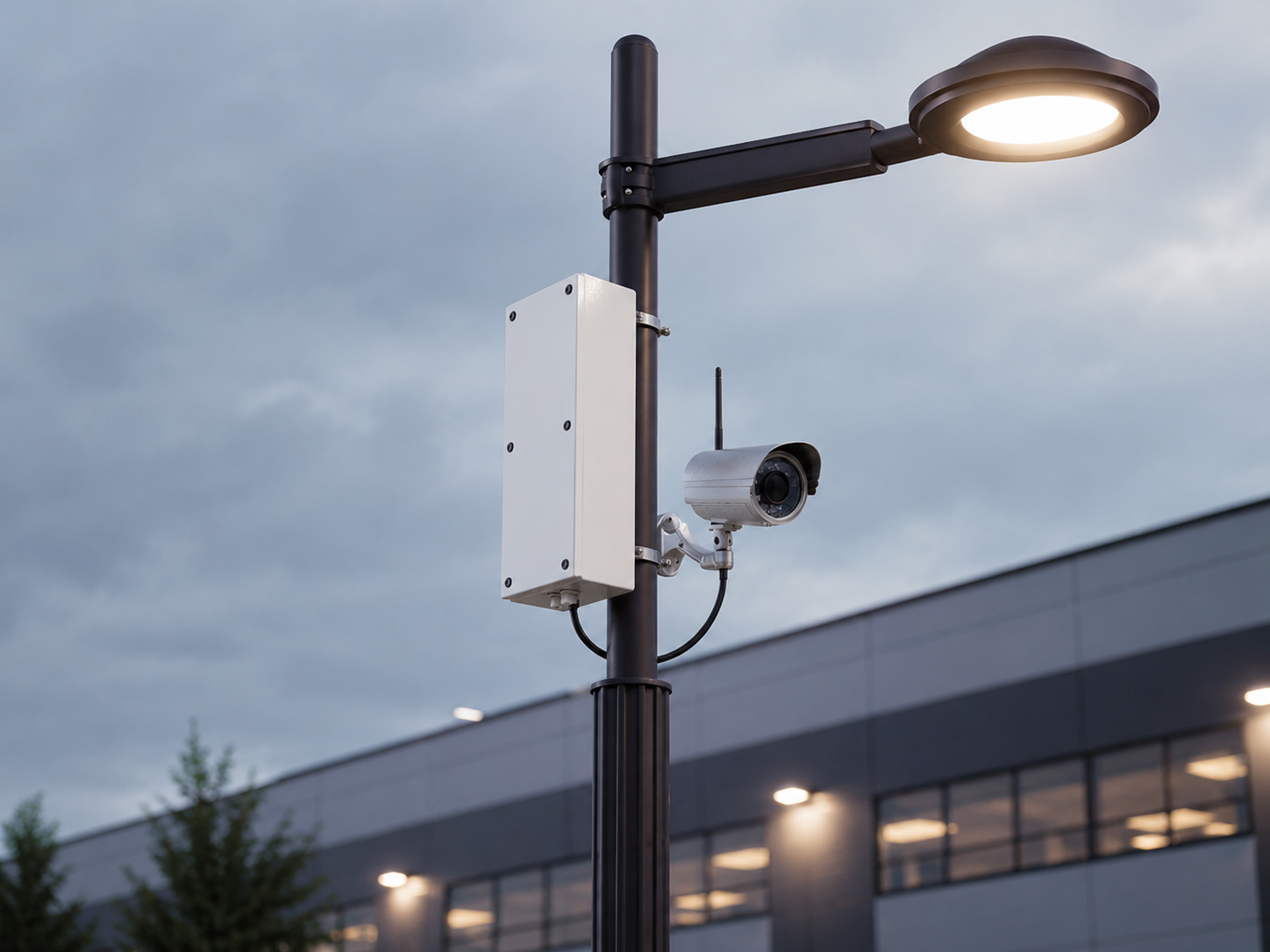
A lithium battery for security equipment must provide a reliable and readily available power supply for surveillance systems, access control, emergency response equipment, backup systems and autonomous installations.
SOLISE evaluates LiFePO4 and NMC technologies according to your technical specifications. The choice depends on required operating time, cycle life, current demand, weight, available space, charging method and operating conditions. For complete autonomous power supply solutions on site, SOLISE also offers E-POWA.
Which Lithium Battery Technology Should You Choose for Security Equipment?
LiFePO4 and NMC offer different characteristics. SOLISE compares these technologies according to required operating time, cycle life, safety, current demand, weight, available space, charging requirements and integration.
Lithium Iron Phosphate
LiFePO4 is particularly suitable when safety, thermal stability and service life are priorities for equipment that is used regularly or must remain available for operation.
Nickel Manganese Cobalt
NMC can be considered when equipment needs to remain compact or portable while storing a significant amount of energy within a limited space.
SOLISE Note: these figures are indicative and refer to cell-level performance. Actual battery performance depends on the cells used, battery pack architecture, BMS, wiring, current demand, temperature, charging method and integration into the equipment.
E-POWA: Autonomous Power Supply for Security Equipment
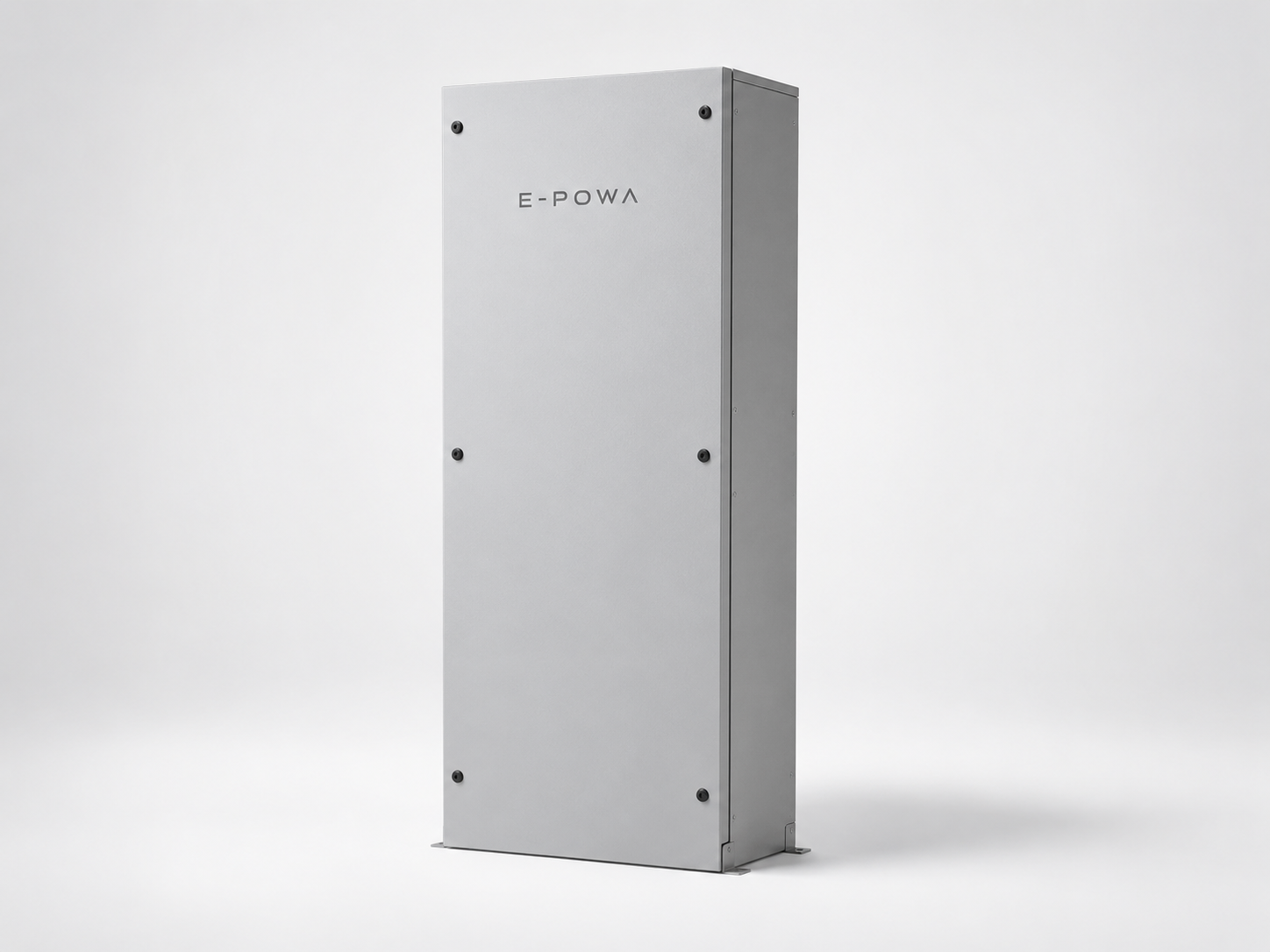
When your requirements go beyond the battery itself, E-POWA can power equipment at locations without permanent access to the electricity grid. The lithium battery is integrated into a complete power solution, sized according to the required operating time and installation constraints.
Autonomous power supply for security and surveillance equipment.
Integrated lithium battery, sized to meet the required operating time.
Suitable for applications including CCTV cameras, remote sites, temporary installations and remotely located equipment.
Lithium Battery Applications for Security Equipment
Energy requirements vary depending on the application. Video surveillance, access control, emergency response, backup systems and remote installations have different requirements for operating time, power, charging and battery integration.
CCTV cameras and surveillance enclosures: operating time, continuous operation and reliable power, including at sites without permanent grid access.
Gates, access cards, electronic locks and access systems: operating time, peak current demands, charging and available installation space.
Mobile or temporary equipment: immediately available power, portability, operating time and ease of deployment.
Installations without permanent access to the electricity grid: E-POWA can provide an autonomous power solution with an integrated lithium battery.
Temporary power supply for critical equipment: suitable battery capacity, power availability and integration into existing systems.
From Requirements Analysis to Ongoing Power Solution Support
SOLISE supports security equipment manufacturers and designers in selecting, sizing and integrating lithium batteries or autonomous power solutions.
We assess the required operating time, voltage, current demands, duty cycles, charging requirements, outdoor conditions, connectors, available space and required equipment availability.
Equipment requirements are defined before selecting the power system architecture.
SOLISE compares LiFePO4 and NMC technologies. When a complete autonomous power supply is required, E-POWA can integrate the battery into a solution adapted to on-site operating conditions.
The selected solution matches the actual application: a dedicated battery or a complete autonomous power system.
We assess battery capacity, charging and discharging currents, the BMS, protective systems, wiring, connectors, mechanical enclosure, charging arrangements and integration.
The available energy is matched to the requirements for operating time, reliability and integration.
SOLISE can answer technical questions, provide product support and assist with changes to the project or installation.
Support remains available if the project evolves or additional requirements arise.
Your Lithium Battery Project for Security Equipment
Are you developing a video surveillance system, an access control solution, a backup power supply or an autonomous installation? Our team is available to discuss your requirements and help you identify the most suitable lithium battery technology or power solution for your application.
Contact UsFrequently Asked Questions About Lithium Batteries for Security Equipment
Choosing a battery for security equipment depends on the required operating time, cycle life, current demand, charging method, operating environment and integration requirements.
Lithium Batteries for Security Applications
Which types of security equipment can use lithium batteries?
Lithium batteries can power video surveillance systems, access control equipment, emergency response devices, mobile installations and backup power equipment. The battery must be sized according to the requirements of each application.
What is the difference between a standalone battery and E-POWA?
A standalone lithium battery supplies power directly to the equipment. E-POWA is a more complete autonomous power solution incorporating a battery sized to meet the application’s requirements.
When should E-POWA be considered?
E-POWA can be considered when an application requires an autonomous on-site power supply, a remote installation, temporary backup power or a complete mobile power solution.
Lithium Battery Technologies for Security Equipment
Which lithium battery technology should you choose?
When should LiFePO4 batteries be preferred?
LiFePO4 is particularly suitable for equipment undergoing regular charge cycles and applications where service life and stability are key priorities.
When should an NMC battery be selected?
NMC can be considered when equipment needs to remain compact or portable while storing sufficient energy for the required operating time.
Operating Time and Battery Sizing
How do you determine the required operating time for security equipment?
Operating time depends on power consumption, voltage, available battery energy, current demand and the required duration of use. The equipment’s actual operating profile must be taken into account.
Should battery capacity be assessed in Ah or Wh?
To compare the available energy, it is preferable to use Wh. This value takes both battery voltage and capacity into account.
Does charging affect battery sizing?
Yes. Charging current, charging frequency and the time available between uses must be considered from the design stage.
Battery Integration, BMS and Transport
What should be checked before integrating a battery?
Voltage, capacity, charging and discharging currents, BMS, connectors, charger compatibility, dimensions, weight and operating conditions must be checked.
What is the purpose of the BMS?
The Battery Management System (BMS) monitors and protects the battery pack against overcharging, deep discharge, overcurrent and certain abnormal temperature conditions.
What is the purpose of UN 38.3 testing?
UN 38.3 specifies tests required for the transport of lithium batteries. It does not replace a technical assessment of the battery pack or validation of its integration. For further information, consult the UNECE Manual of Tests and Criteria .
SOLISE Solutions for Security Equipment
Does SOLISE offer standard and custom lithium batteries?
Yes. SOLISE can supply standard lithium batteries or develop a specification for a custom lithium battery according to the project’s technical requirements.
Can SOLISE adapt a battery solution to existing equipment?
Yes. The assessment can be based on existing equipment and its voltage, power consumption, charging requirements, connectors and available installation space.
How can I contact SOLISE about a security equipment project?
You can send your requirements directly to our team at client@solise.eu.